What Are Multiplication Strategies?
Multiplication strategies help students understand how multiplication works, not just how to memorize facts. For 3rd grade students, learning multiple strategies builds confidence, flexibility, and stronger number sense.
In this post, we’ll explain what multiplication strategies are, why they matter, and introduce common strategies students use in elementary math.
What Is Multiplication?
Multiplication is a way to find the total when you have equal groups.
For example:
- 4 × 3 means 4 groups of 3
- It can also be shown as repeated addition: 3 + 3 + 3 + 3
What Are Multiplication Strategies?
Multiplication strategies are different ways students can solve multiplication problems.
Instead of using only one method, strategies help students:
- Think flexibly
- Choose a method that makes sense to them
- Understand why multiplication works
Why Are Multiplication Strategies Important?
Learning multiple strategies helps students:
- Build strong math understanding
- Solve harder problems with confidence
- Check their work using another method
- Prepare for multi-digit multiplication
Strategies also support students who struggle with memorization.
Common Multiplication Strategies
Here are some of the most common multiplication strategies taught in elementary school:
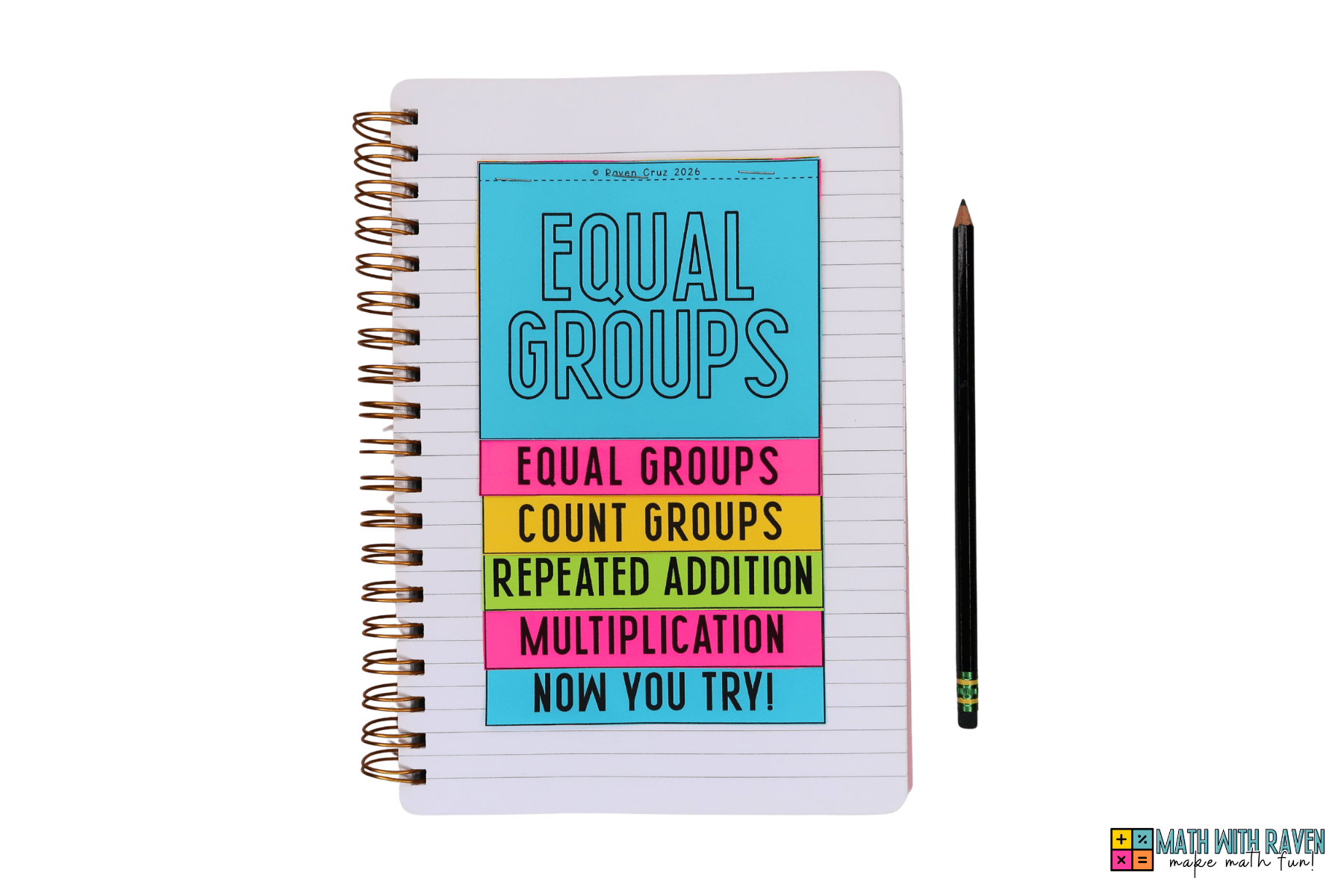
Equal Groups
Starting with equal groups, students group objects into equal sets.
- Useful for hands-on learning
- Connects multiplication to real-world situations
Equal groups is the first multiplication strategy that should be taught.
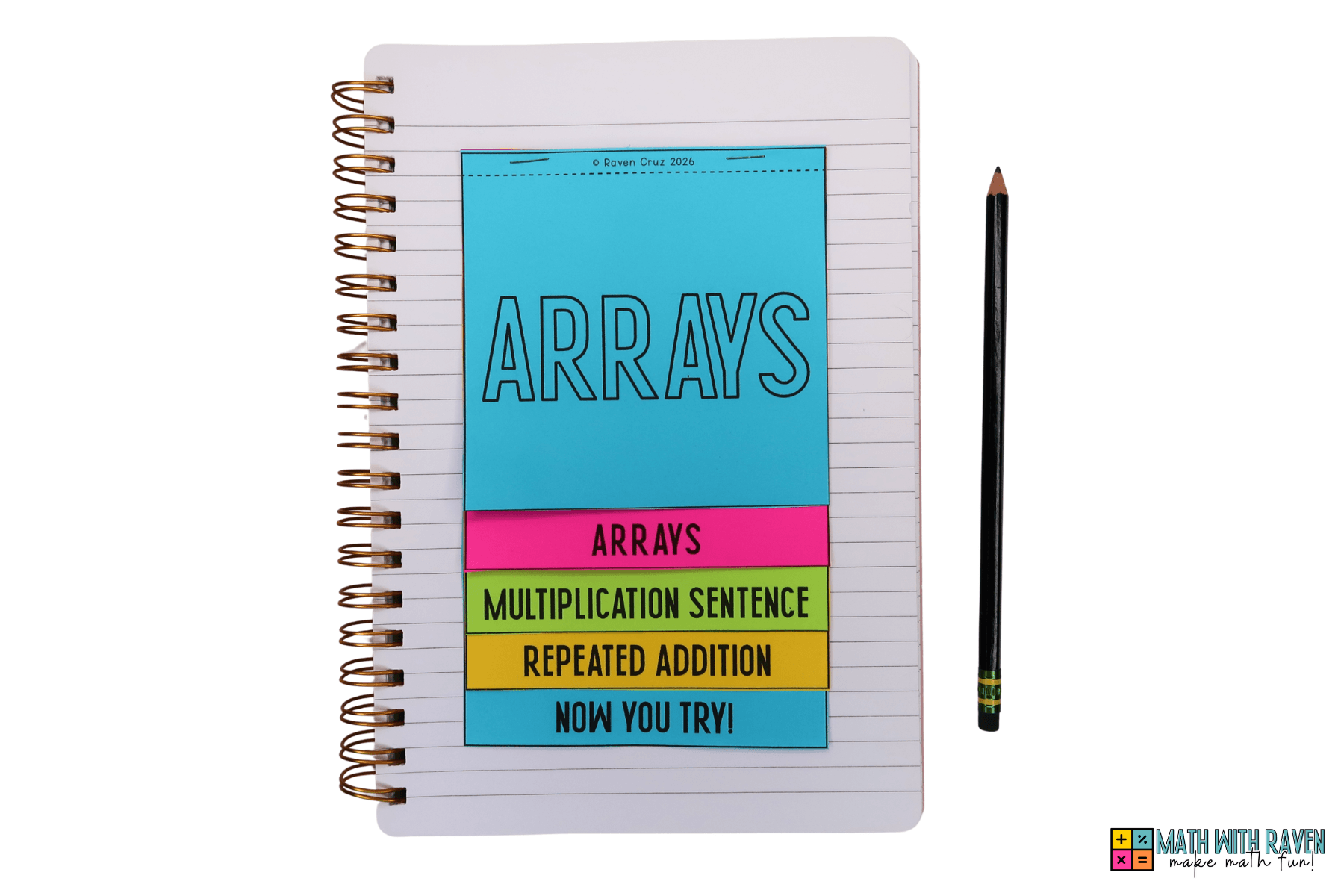
Arrays
Then, with arrays students will show multiplication using rows and columns.
- Helps students see equal groups visually
- Great for drawing and modeling
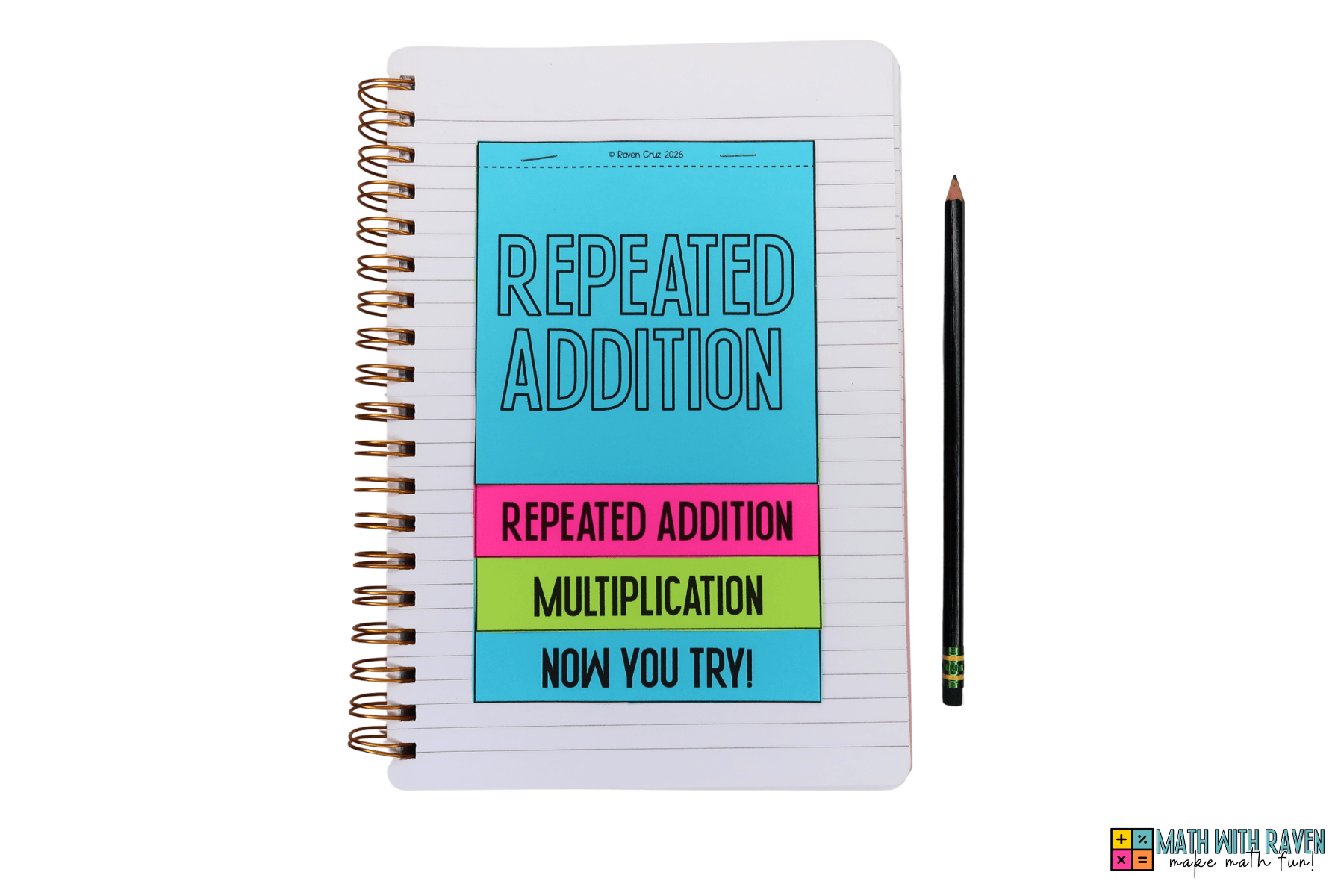
Repeated Addition
With repeated addition, students add the same number again and again.
- Example: 5 × 4 = 4 + 4 + 4 + 4 + 4
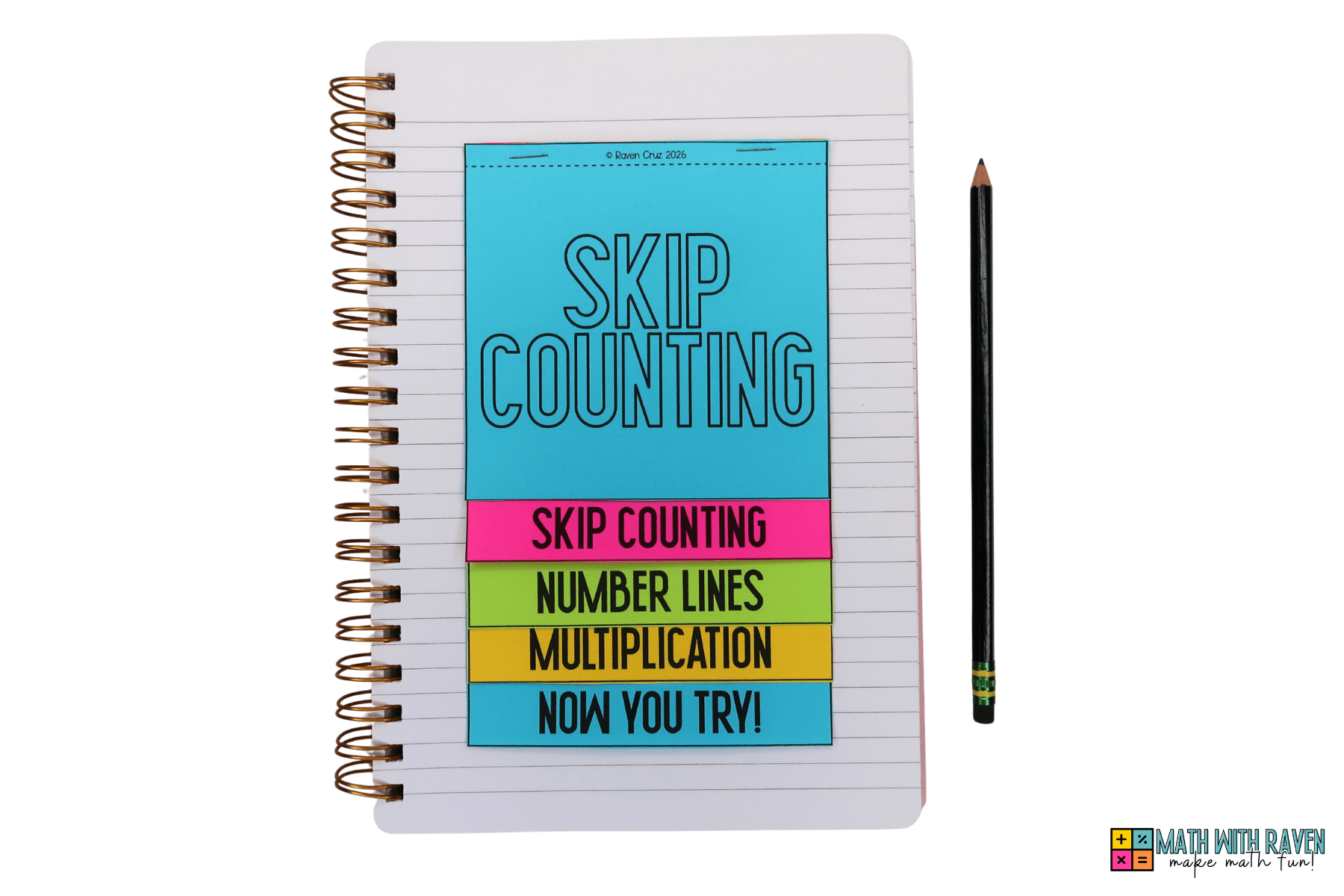
Skip Counting
Then with skip counting students skip count by a number to find the total.
- Example: Skip count by 6 to solve 6 × 4
Number lines
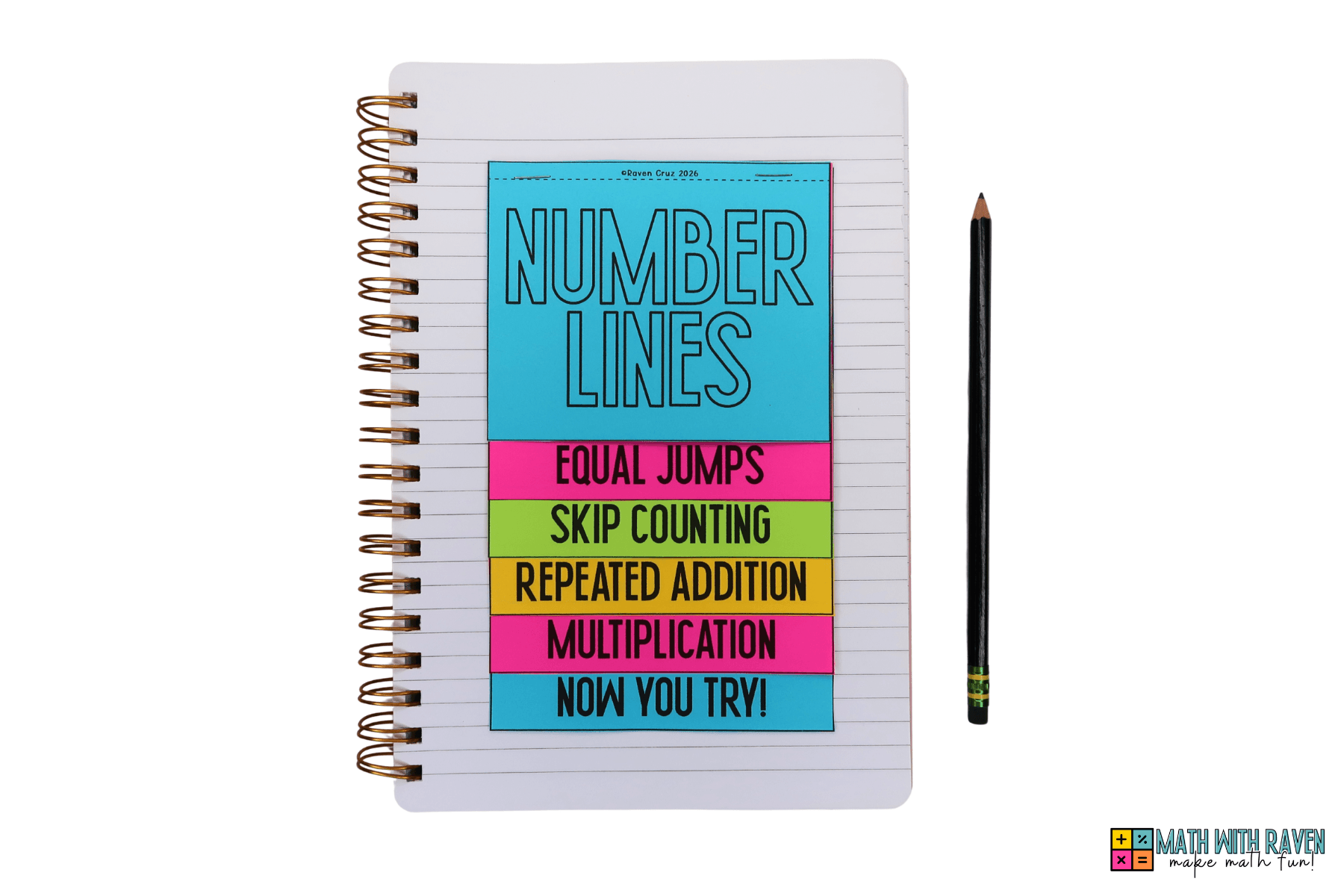
Last, with number lines students use equal jumps on a number line to find the total.
- Example: Make 4 equal jumps of 6 to solve 6 × 4.
Break Apart (Decomposing Numbers)
Students break a factor into smaller, easier numbers.
- Example: 6 × 8 can be broken into (6 × 5) + (6 × 3)
Using Known Facts
Using unknown facts students already know to solve new problems.
If you know 5 × 6, you can solve 6 × 6 by adding one more group of 6.
Using a Multiplication Strategies Reference Tool
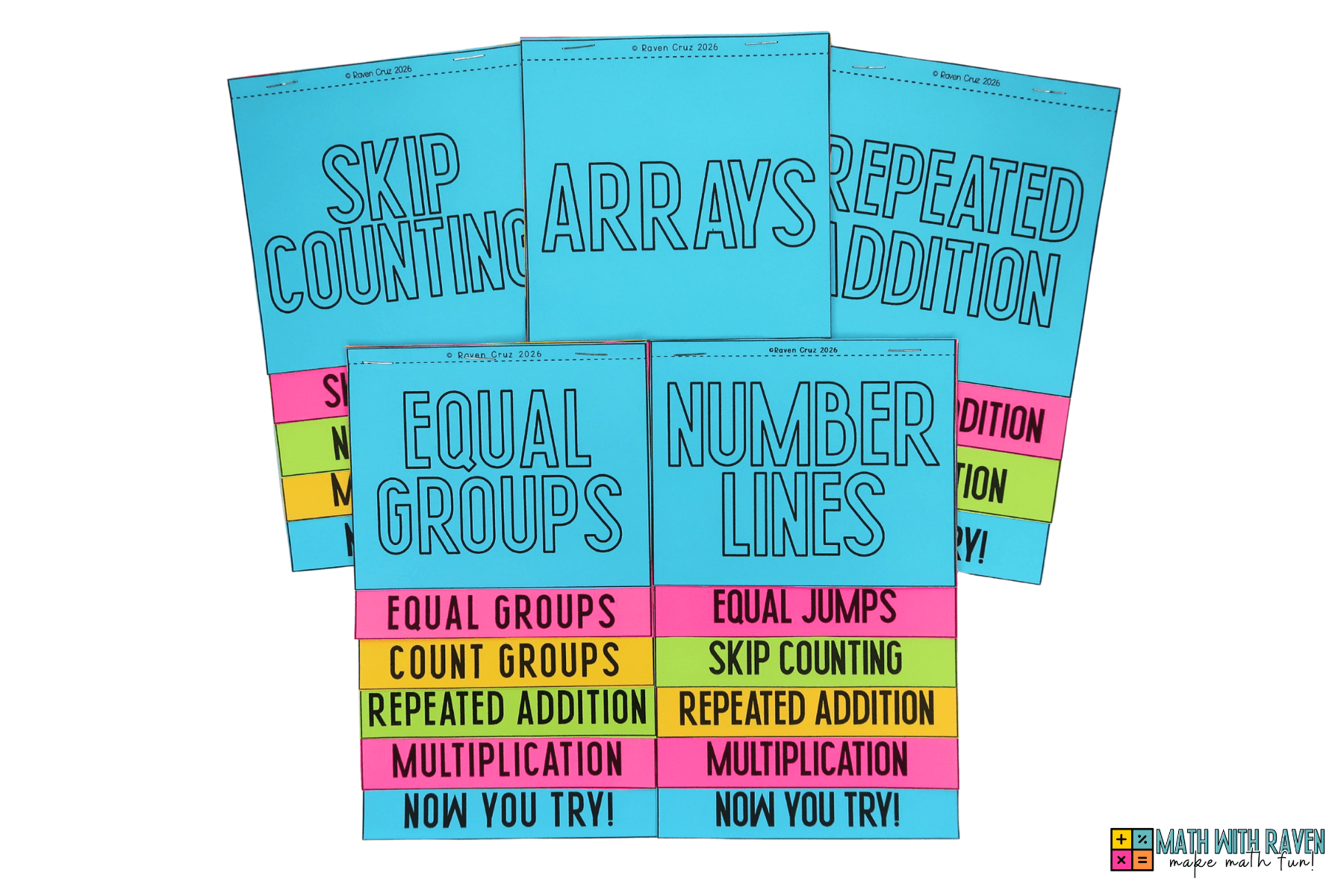
A multiplication strategies reference tool or flip book helps students remember each strategy and decide which one to use. Keeping it in an interactive math notebook gives students a quick reminder during independent work.
Raven's Thoughts
Multiplication strategies help students move beyond memorization and truly understand multiplication. Giving students multiple ways to solve problems builds confidence and supports long-term math success.
You Can Find Me On…
I share math resources, ideas, and classroom-friendly activities in a few different places. Whether you’re looking for ready-to-use resources or inspiration, I’d love to connect!

Standards-based math resources designed for grades 2–4

Standards-based math resources designed for grades 2–4

Printable math activities and coloring pages